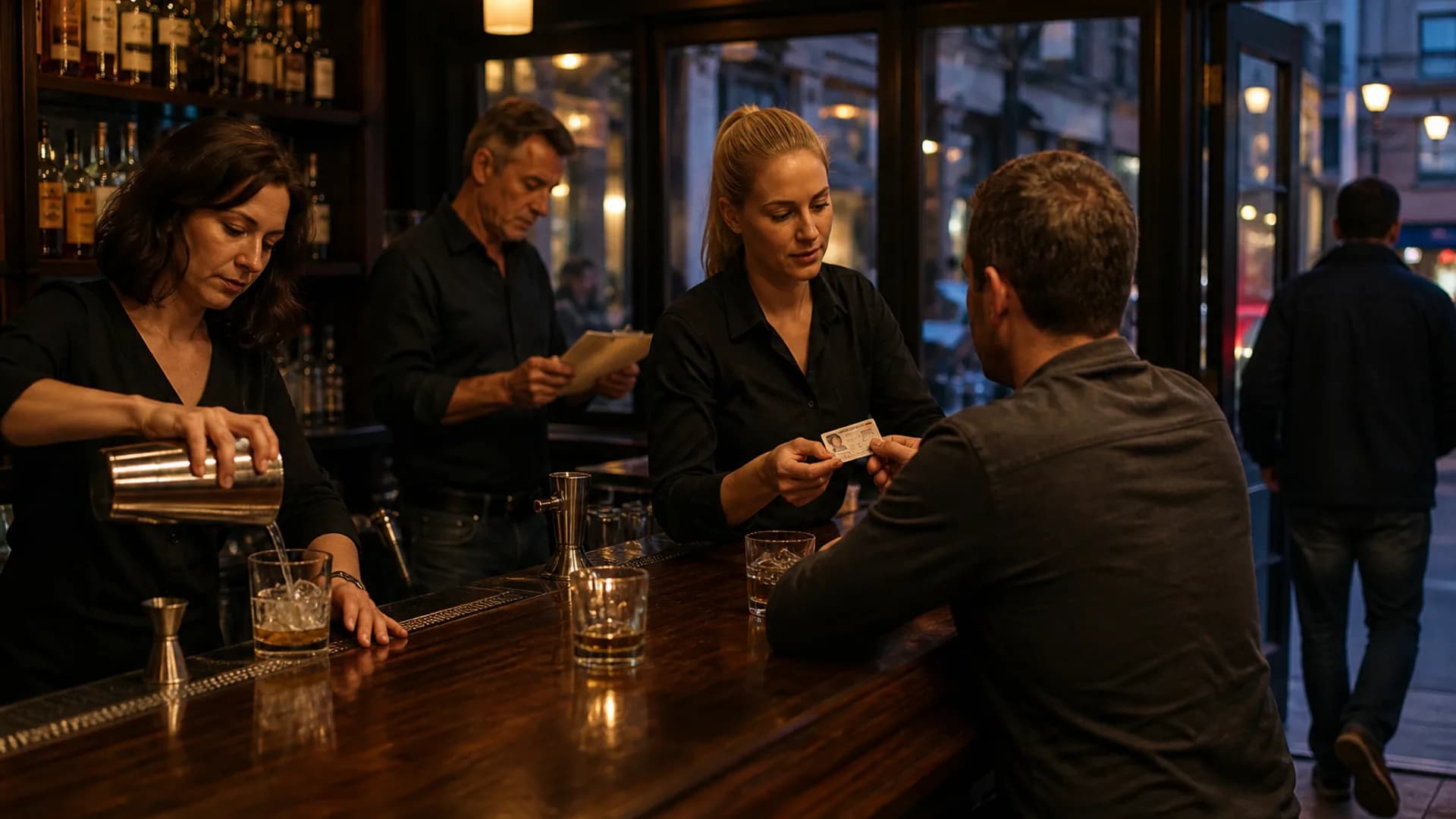
The same liquor liability policy add-ons from the explorer above, listed out. Form names and availability vary by carrier.
Endorsement
The building owner wants to be on the liquor policy too.
Landlords who know Illinois dram shop ask to be additional insured on liquor liability, not only GL. If the lease says liquor, the liquor policy needs the endorsement. A GL certificate alone does not satisfy that clause.
Endorsement
May be excluded on liquor, GL, or both — buybacks differ.
A fight in the parking lot can be pled as liquor and as assault. Some liquor forms include limited assault; others exclude it and send you to the GL buyback. We read both policies so a door claim does not fall between them.
Endorsement
Whether attorney fees eat the limit that pays the victim.
If defense is inside the limit, a long lawsuit shrinks what is left for a judgment. Illinois dram-shop cases are defense-heavy. We prefer forms that pay defense in addition to the limit when the premium difference is sane. This is an endorsement or a form-edition issue, not a certificate line.
Endorsement
Staff drinking, shift drinks, and private lock-ins.
Liquor applications ask how you handle employee consumption. Some forms restrict claims involving employees as drinkers. If you do private events after closing, say so. Underwriting the real operation is cheaper than explaining it after a claim.
Separate policy
Slip-and-fall and premises — liquor will not cover it.
Liquor liability is not a substitute for general liability. A wet floor, a stage collapse, or a parking-lot injury without alcohol still needs GL. We write them as a pair so a complaint with mixed allegations has somewhere to land.
Learn more →Endorsement
Incidental serving is not a bar program.
Host liquor (often on a GL or BOP) is for incidental serving — a holiday party, a gallery opening. Selling drinks, a cover charge, or a cash bar is full liquor liability, usually its own policy. Illinois dram-shop exposure is why we do not stretch host liquor over a taproom.
Endorsement
Policy conditions that look like training requirements.
Some liquor endorsements warrant certified servers, ID scanners, or cut-off procedures. Breach of warranty can complicate a claim. If the form requires TIPS or equivalent, we put that in the operations conversation, not in the fine print after a citation.
Endorsement
When $1 million is not what the landlord or venue will accept.
Venue contracts and shopping-center leases often specify liquor limits above a basic package. Excess liquor or a higher primary limit is how we get there. Umbrella may or may not follow liquor — we check the umbrella’s liquor exclusion instead of assuming it stacks.
Endorsement
Serving at a park, wedding, or festival away from the licensed premises.
The liquor license and the liquor policy both care about location. Off-premises catering may need an endorsement, a rider, or a separate event policy. A taproom policy does not automatically follow a beer tent in another county.
Endorsement
The date after which a claims-made liquor form will still listen.
Most liquor is occurrence, but some programs are claims-made. A retroactive date that jumps forward at renewal creates a gap for last year’s service. If the form is claims-made, we treat the retro date like professional liability — do not let it silently move.
Endorsement
Keeps a liquor claim from turning into a fight with the landlord.
Same lease exhibit as GL: waiver of subrogation. If it is listed, we add it on the liquor form. Missing waivers are a common reason certificates bounce at lease renewal.